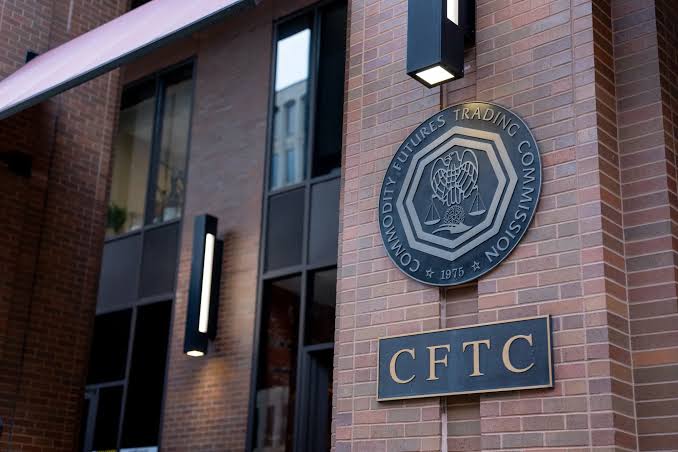
Commodity Futures Trading Commission Chairman Michael Selig says cryptocurrency innovation is returning to the United States as federal regulators develop new rules intended to strengthen the country’s position in global digital-asset markets. Selig’s comments come as the CFTC and Securities and Exchange Commission move forward with regulatory initiatives designed to give crypto businesses clearer pathways to operate within the American financial system.
The latest measures follow the Senate’s failure to pass the Digital Asset Market Clarity Act, leaving regulators to work within their existing statutory authority rather than waiting for Congress to establish a comprehensive framework. On October 5, the CFTC proposed new rules covering leveraged, financed and margined cryptocurrency transactions, including a potential federal registration framework for qualifying trading venues. The proposals represent an attempt to bring activity historically concentrated on offshore platforms into regulated U.S. markets. However, Selig’s assessment that crypto is returning onshore reflects the administration’s regulatory ambitions rather than evidence that the majority of global cryptocurrency trading has already relocated to America.
CFTC Moves to Bring Crypto Trading Onshore
The CFTC’s October 5 initiative focuses on creating clearer federal oversight for certain cryptocurrency trading platforms. Under the proposals, qualifying venues could operate within a federal regulatory framework incorporating anti-manipulation controls, customer protections and financial safeguards. The initiative is particularly relevant to leveraged cryptocurrency markets, where offshore exchanges have historically dominated trading activity. In May, the CFTC permitted a registered American exchange to list a true Bitcoin perpetual futures contract, opening a regulated domestic pathway for a product category widely used by international crypto traders. Perpetual futures differ from conventional futures because they have no fixed expiration date, with funding payments helping maintain alignment between contract and underlying asset prices.
Selig has argued that allowing such products under American supervision can strengthen market integrity while giving domestic companies opportunities previously available mainly through offshore venues. The SEC is pursuing complementary initiatives involving tokenized securities, custody requirements and regulatory exemptions intended to support financial innovation. Together, the measures indicate a shift toward establishing clearer operating requirements for digital-asset businesses.
Congressional Setback Leaves Regulatory Gaps
The latest rulemaking effort follows a significant legislative setback. The CLARITY Act, which sought to establish a clearer division of authority between the SEC and CFTC, failed to advance through the Senate. The legislation would have addressed questions surrounding digital-asset classification and expanded federal oversight of spot cryptocurrency markets. Without new legislation, the CFTC’s existing authority remains more limited.
The agency regulates commodity derivatives and possesses anti-fraud and anti-manipulation powers in underlying commodity markets, but it does not have comprehensive supervisory authority over ordinary spot cryptocurrency trading. The October proposals therefore cannot fully replace congressional market-structure legislation. Industry participants have also raised questions about whether agency-led reforms will provide sufficient long-term certainty, since administrative rules can face legal challenges or be revised by future leadership. For Selig, the objective is to ensure that financial innovation develops within American markets rather than migrating to jurisdictions offering clearer regulatory pathways.
That ambition extends beyond cryptocurrency exchanges to tokenized assets, blockchain settlement infrastructure and other emerging financial technologies. The United States already hosts major crypto exchanges, institutional custodians, asset managers and technology developers. Its spot Bitcoin and Ethereum ETFs have also established regulated investment channels connecting digital assets with traditional capital markets. Nevertheless, international competition remains substantial, particularly from jurisdictions including the European Union, Singapore, Hong Kong and the United Arab Emirates. Selig’s message reflects the administration’s determination to strengthen U.S. leadership through regulatory reform. Whether crypto activity meaningfully returns onshore will depend on the final rules, their implementation and whether Congress eventually establishes a durable federal framework.