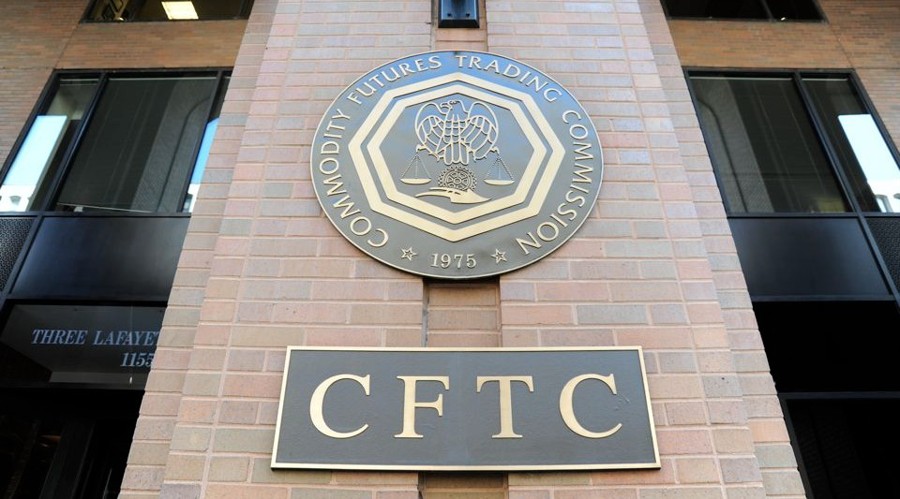
The U.S. Commodity Futures Trading Commission is considering new rules that could allow cryptocurrency exchanges to offer leveraged and margin trading to retail customers under a purpose-built federal regulatory framework. CFTC Chairman Michael Selig highlighted the initiative Thursday as the regulator held the inaugural meeting of its Innovation Advisory Committee in Washington, where crypto executives, traditional exchanges and financial institutions discussed how U.S. rules should adapt to digital-asset markets.
The effort could address one of the largest differences between U.S. and offshore crypto markets. International exchanges routinely allow customers to trade cryptocurrencies using borrowed capital and derivatives with substantial leverage, while regulatory restrictions have left American retail investors with considerably fewer options. Selig has directed CFTC staff to develop rules covering leveraged, margined and financed retail commodity transactions involving crypto assets. The agency is examining both how existing regulated exchanges could offer such products and whether an entirely new registration framework is needed. The initiative remains under development and does not currently authorize U.S. crypto exchanges to broadly introduce leveraged spot trading.
CFTC Explores Purpose-Built Registration for Crypto Exchanges
The agency is pursuing three potential regulatory routes. First, CFTC staff are drafting rules clarifying when leveraged, margined or financed retail crypto transactions can qualify for the Commodity Exchange Act’s “actual delivery” exception and therefore be offered off-exchange. Second, the Commission is considering codifying requirements for designated contract markets, or DCMs, that want to offer leveraged crypto transactions through their existing regulated platforms. Selig has argued that formal rules would create consistent investor protections across participating venues. The third and potentially most significant option is creating a new category of DCM registration specifically tailored to retail leveraged, margined and financed cryptocurrency trading.
Such a regime could provide crypto-native exchanges with a clearer route into regulated U.S. leveraged trading without forcing their businesses entirely into frameworks designed around traditional futures markets. The CFTC is simultaneously working with the Securities and Exchange Commission on broader regulatory harmonization, an important consideration because the agencies’ respective jurisdictions can depend on whether a digital asset or transaction constitutes a security or commodity. The agency’s 2026 agenda has already included listed spot crypto trading, tokenized collateral, stablecoins and changes to derivatives-market structure.
Washington Looks to Bring Offshore Crypto Products Onshore
Leveraged trading forms an enormous portion of global cryptocurrency activity, particularly through perpetual futures that allow traders to maintain positions without traditional contract expiration dates. Much of that activity historically migrated offshore because U.S. exchanges faced regulatory uncertainty over offering comparable products.
The CFTC has increasingly sought to reverse that dynamic. The agency has already moved toward allowing regulated perpetual futures, while industry participants are pressing it to broaden access further. At Thursday’s Innovation Advisory Committee meeting, DRW founder Don Wilson urged regulators to approve perpetual futures across a wider range of underlying assets, arguing that keeping the products within regulated American markets would improve risk management and reduce incentives for trading to migrate offshore. Industry groups have similarly petitioned the CFTC to treat qualifying crypto perpetuals as futures rather than swaps, subjecting them to the established futures framework while adapting requirements to their 24-hour structure.
The policy shift comes as Congress continues debating the CLARITY Act, which would establish a more durable division of crypto oversight between the CFTC and SEC. Selig has indicated that the Commission intends to continue developing digital-asset rules even if the legislation fails. For exchanges, a finalized margin framework could materially expand the U.S. crypto market by allowing regulated platforms to offer products that American traders currently access predominantly through offshore or decentralized venues. The eventual rules will determine how much leverage customers can obtain and what collateral, capital, clearing, custody and investor-protection requirements exchanges must satisfy. Until those standards are formally proposed and adopted, however, the CFTC’s initiative represents a regulatory pathway rather than authorization for exchanges to immediately introduce leveraged retail crypto trading.