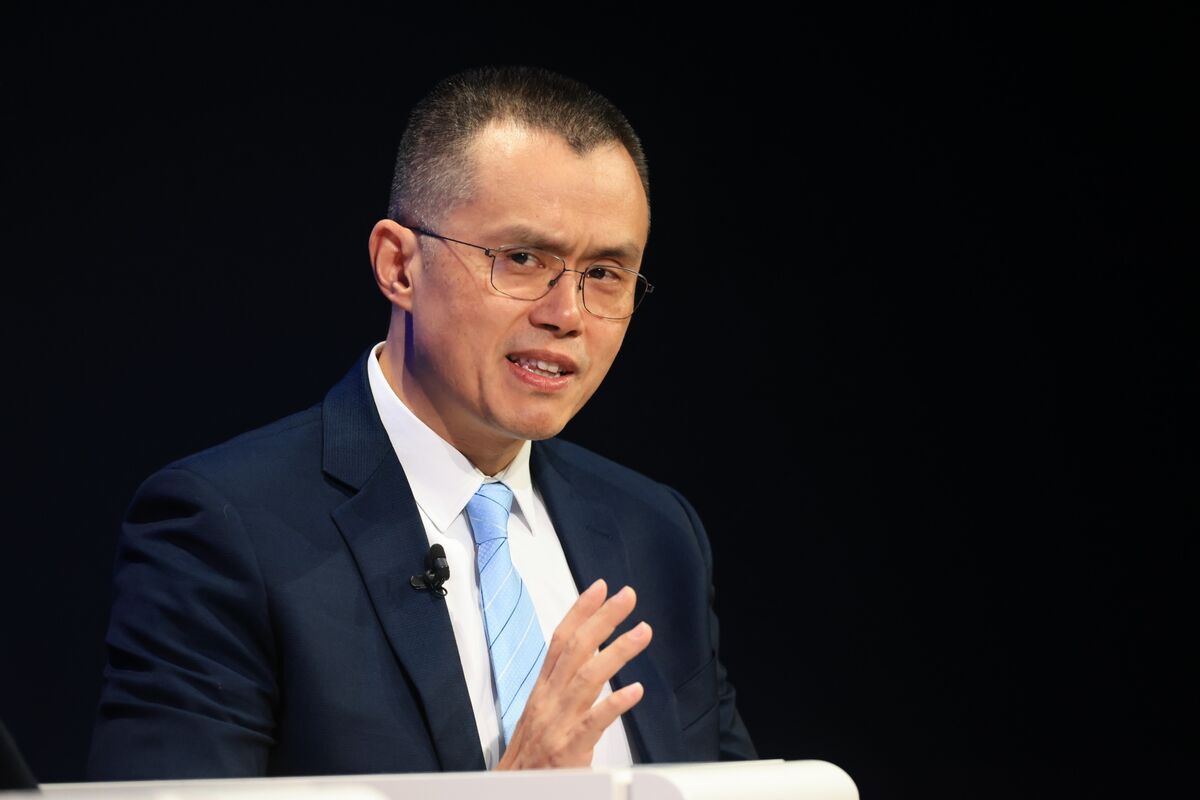
Binance founder Changpeng Zhao, widely known as CZ, has urged users of password management platform 1Password to change all their stored passwords following a cybersecurity breach that exposed customer account information. In a November 26 post on X, Zhao recommended replacing every password saved in the service, describing the process as inconvenient but necessary. His warning followed a November 25 security disclosure from 1Password, which confirmed that an attacker had compromised an employee’s corporate GitHub account and gained unauthorized access to internal systems.
The attacker used the compromised account to access private source code repositories and deploy malicious code to backend services, allowing customer account records to be downloaded. However, 1Password emphasized that customer password vaults, stored credentials and the encryption keys protecting them were not compromised. The company said users do not need to change their account passwords or Secret Keys based on the incident. The contrasting recommendations have raised questions about the appropriate security response when a password management provider suffers an infrastructure breach without evidence that its encrypted customer vaults were accessed.
Hackers Access Customer Records Through Compromised GitHub Account
According to 1Password, its security team began investigating suspicious activity on November 19 after detecting indications that an attacker had accessed an employee’s corporate GitHub account. The attacker subsequently accessed private repositories and the company’s continuous integration and continuous delivery infrastructure, which supports software development and deployment. The stolen records included customer names, email addresses, account identifiers, account creation dates and last sign-in timestamps. Additional exposed information included public cryptographic keys, Secure Remote Password authentication parameters and tokens embedded in certain account invitation and recovery emails. 1Password said these authentication parameters cannot independently provide access to customer accounts.
The company also explained that exposed invitation and recovery tokens require additional verification, such as single sign-on authentication or a code delivered to the customer’s registered email address. As a precaution, 1Password expanded its verification codes from six numerical digits to ten alphanumeric characters. The company disabled the compromised GitHub account, revoked unauthorized access, restored affected backend services and rotated potentially exposed infrastructure credentials. Independent cybersecurity specialists have also been engaged to assess its containment and remediation measures. 1Password reported no internal evidence of customer account takeovers resulting from the exposed tokens.
Crypto Users Face Phishing Risks Despite Secure Password Vaults
Although 1Password maintains that its encrypted vaults remain secure, the exposed customer information could create additional opportunities for targeted phishing attacks. Cybercriminals may use stolen names, email addresses and account details to impersonate legitimate support representatives or send convincing account recovery messages. Such attacks are particularly concerning for cryptocurrency investors who store exchange credentials and other sensitive account information in password management applications. However, possession of customer contact information does not establish that attackers can access cryptocurrency wallets or retrieve passwords stored inside encrypted vaults.
1Password said its security architecture prevents the company itself from accessing customers’ account passwords and Secret Keys. The company has advised users to remain cautious of unexpected emails, text messages and telephone calls requesting account verification or recovery. Customers should access the service directly through its official website or application rather than following unsolicited links. Zhao’s recommendation represents a more conservative precautionary approach than the guidance issued by 1Password. The incident also recalls earlier cybersecurity failures involving password management services, including the 2022 LastPass breach, which exposed encrypted customer vault backups. Nevertheless, the two incidents differ materially because 1Password has reported no exposure of encrypted vault contents in the latest attack. The company has not disclosed the total number of affected customers or identified the attackers. Further findings from its investigation and independent security reviews may provide additional clarity about the intrusion’s full scope.